


Natural Sciences - Astronomy & Space
New research building and significant investments in space technology

Space technology As part of a significant DTU investment in the space and defence area of around DKK 2 billion over a five-year period, the first sod was turned for a major expansion of activities at DTU Space, Denmark's largest space research institute.
Solving the mystery of the universe’s ’little red dots’
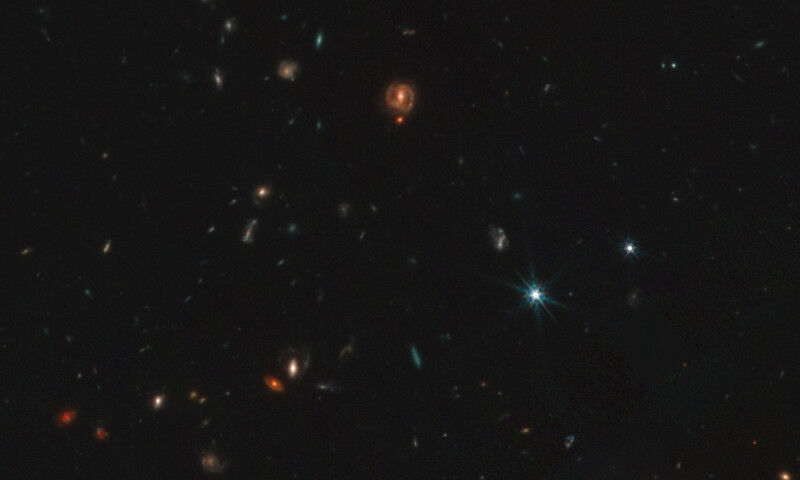
Astrophysics Since the James Webb Space Telescope (JWST) went into operation, red dots in its images have puzzled researchers around the world. Now, researchers from the University of Copenhagen have explained these enigmatic findings, revealing the most violent forces in the universe concealed in a cocoon of ionized gas. The discovery is published in Nature today.
Danish-led space mission to map the lunar surface
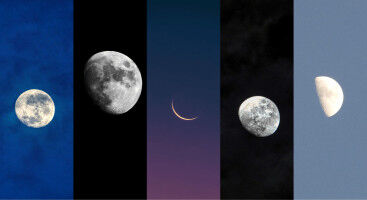
SPACE The University of Copenhagen will lead Denmark's first lunar mission. The mission aims to map the Moon's surface in unprecedented detail to make it safer to land on the Moon and construct bases in the future.
Satellites autonomously find each other in space - making missions ’easier, cheaper, and far more flexible’
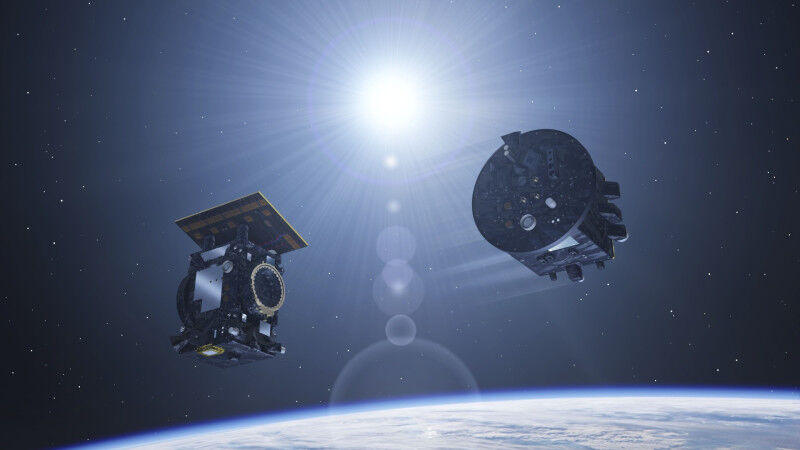
Space technology Using AI, advanced camera technology, and navigation developed by DTU Space, satellites can now all by themselves maneuver and maintain formation with extreme precision - without any assistance from Earth.
How Many Ghost Particles All the Milky Way’s Stars Send Towards Earth
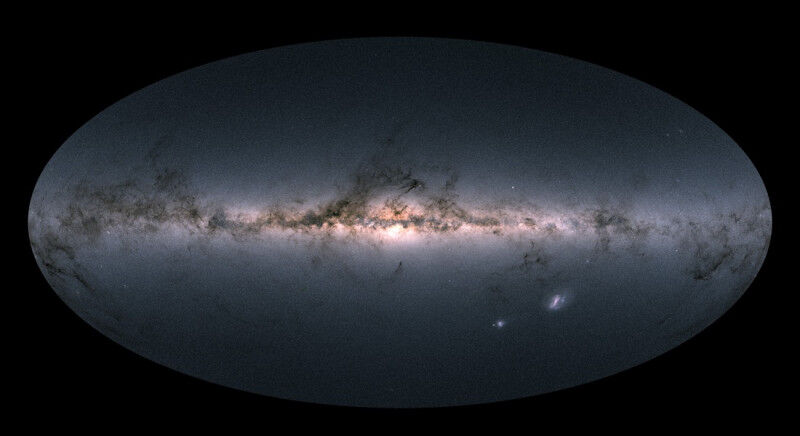
Astronomy Every second, a trillion of the elusive ghost particles, the neutrinos, pass straight through your body. Now, astrophysicists from the University of Copenhagen have mapped how many ghost particles all the stars in the Milky Way send towards Earth, and where in the galaxy they originate. This new map could help us track down these mysterious particles and unlock knowledge about our Galaxy that has so far been out of reach.
SDU to the Moon: Danish-led space mission to map the Moon’s surface
A consortium of Danish partners, led by the University of Copenhagen (KU), is set to carry out Denmark's first-ever lunar mission. The mission will map the Moon's surface in unprecedented detail, paving the way for safer landings and the future establishment of lunar bases.


Job Offers in this Category
- Physics - 24.2
PhD fellowship in gravitational physicsUniversity of Copenhagen