Archaeology
A research team led by the University of Copenhagen has uncovered a remarkable Early Bronze Age ceremonial gathering place at Murayghat in Jordan. The discovery may shed new light on how ancient societies responded to social and environmental upheaval.
How did ancient cultures react to severe crises and the breakdown of the established social order? The 5,500-year-old bronze age site of Murayghat in Jordan, excavated by archaeologists from the University of Copenhagen, may hold an answer.
Murayghat dates from a period when the so-called Chalcolithic culture (ca. 4500-3700/3600 BC) was in decline. It is a period known for its residential complexes, rich symbolic traditions, copper monuments and small cultic shrines.
Researchers believe that climate change and social upheaval may have led to the collapse of culture and that Early Bronze Age groups began to create new forms of ritual and gathering places in response:
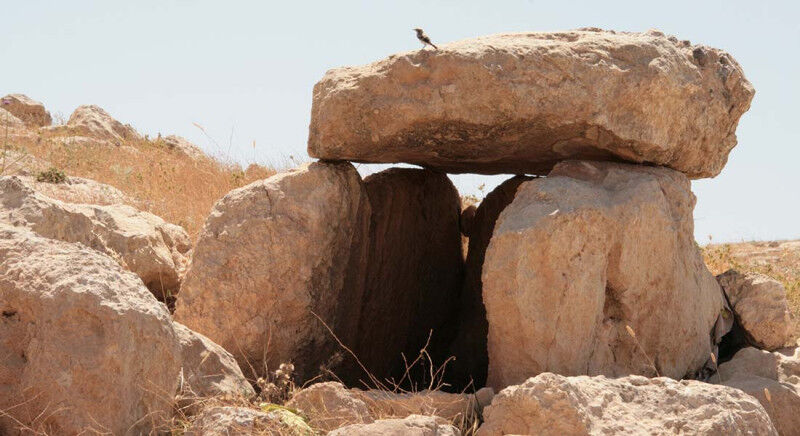
"Instead of the large residential settlements with smaller sanctuaries established during the Chalcolithic period, our excavations at Murayghat in the Early Bronze Age have uncovered clusters of stone cairns, monoliths and other large stone structures that suggest they were used for ritual gatherings and communal burials rather than habitation," says project leader and archaeologist Susanne Kerner from the University of Copenhagen.
New territories and social roles
Archaeologists have documented more than 95 nozzle remains, and the entire central area contains stone structures and carved rock formations that also suggest ceremonial use.
These visible markers may have helped redefine identity, territory and social roles in a time without strong central power, Susanne Kerner points out:
"Murayghat, we believe, gives us fascinating new insights into how early societies dealt with upheaval by building monuments, redefining social roles and creating new forms of community."
Excavations at Murayghat have revealed Early Bronze Age pottery, large ceremonial bowls, grinding stones, flint tools, animal horns and a few copper objects - all evidence of ritual activity and possibly celebrations. The design and visibility of the site also suggests that it served as a gathering point for different groups in the region.
Susanne Kerner has just published the article Dolmens, standing stones and ritual in Murayghat about the finds at Murayghat in the journal Levant.