


Technical University of Denmark

news.myScience
DTU accelerates training of Industry Master’s students
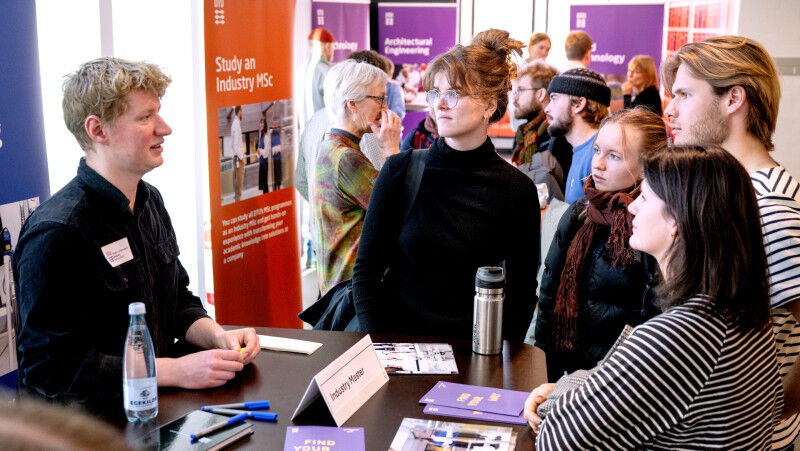
Education The Ministry of Higher Education and Science has given the green light for all 32 master's programmes at DTU to admit students under the so-called 1+2 model, which opens up to more flexible, labor market-oriented master's pathways.
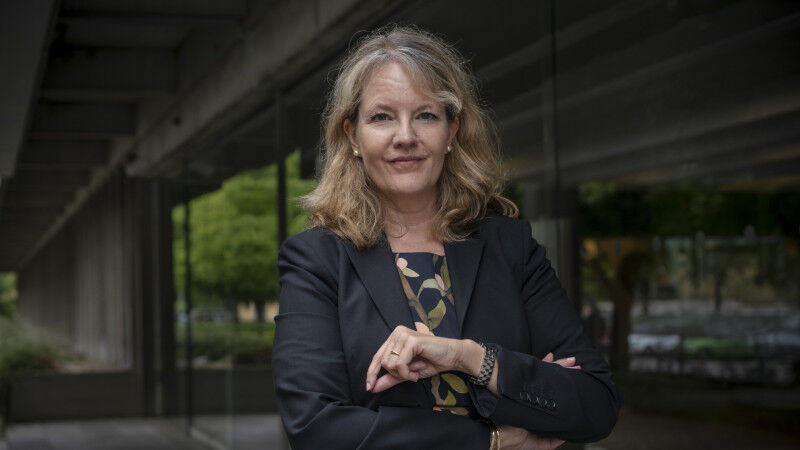
’We must not lose focus on the green transition’
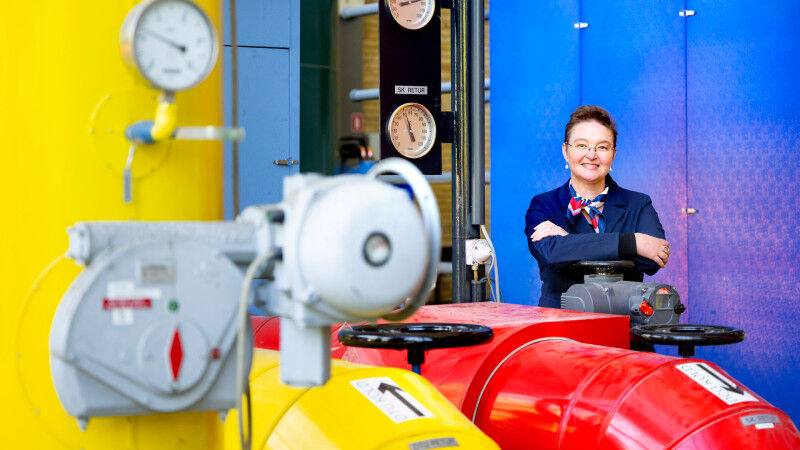
Interview Professor Marie Münster works around the clock on the green transition, both as a researcher and as a member of the Danish Council on Climate Change.
Gentle implant can illuminate, listen, and deliver medication to the brain
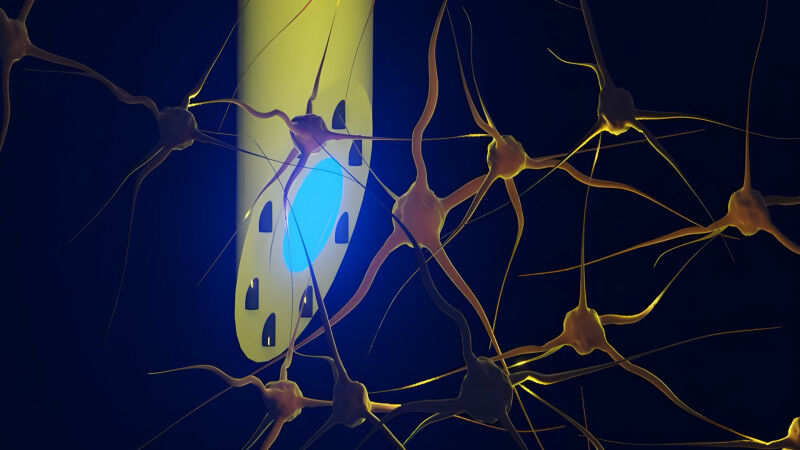
Health A new type of brain implant may have implications for both brain research and future treatments of neurological diseases such as epilepsy.
DTU President: ’Young women should be able to see that DTU is for everyone who can and will - regardless of gender’
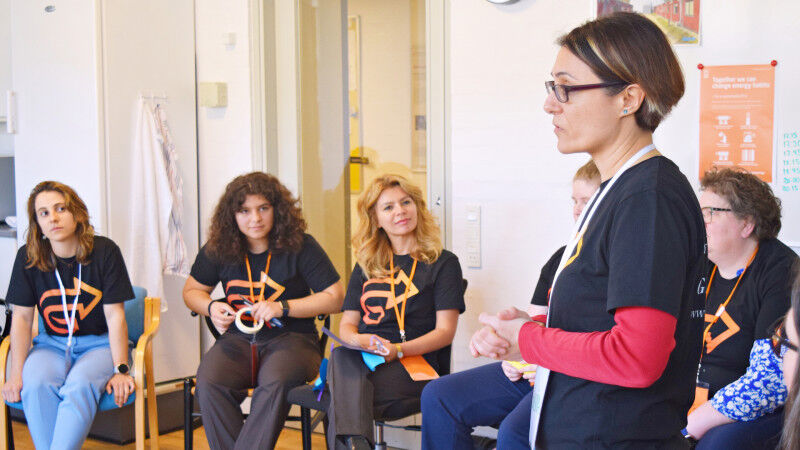
Diversity Evidence suggests that role models can help attract more women to fields where men are the majority.
Infant gut bacteria may be the key to preventing asthma and allergies
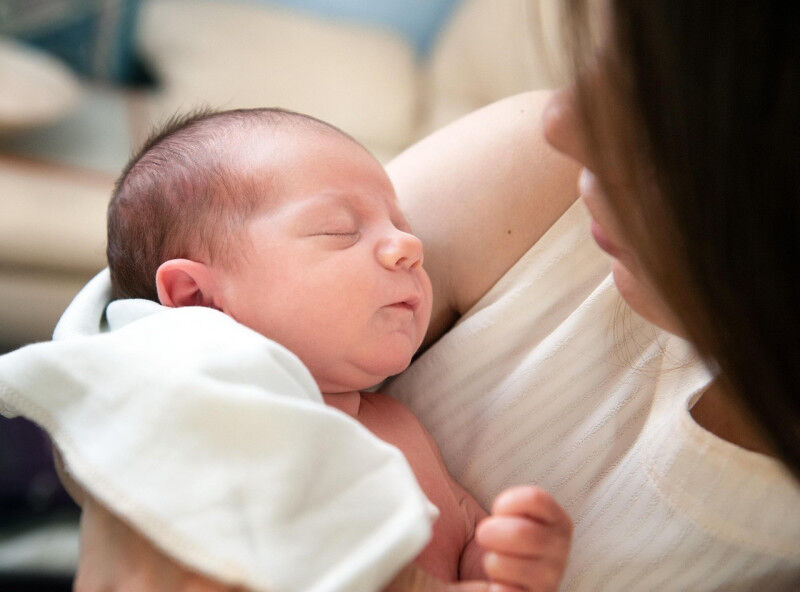
Health Researchers from DTU have patented an invention that uses naturally produced substances from gut bacteria of the bifidobacteria type to reduce the risk of allergies and asthma.
New research building and significant investments in space technology
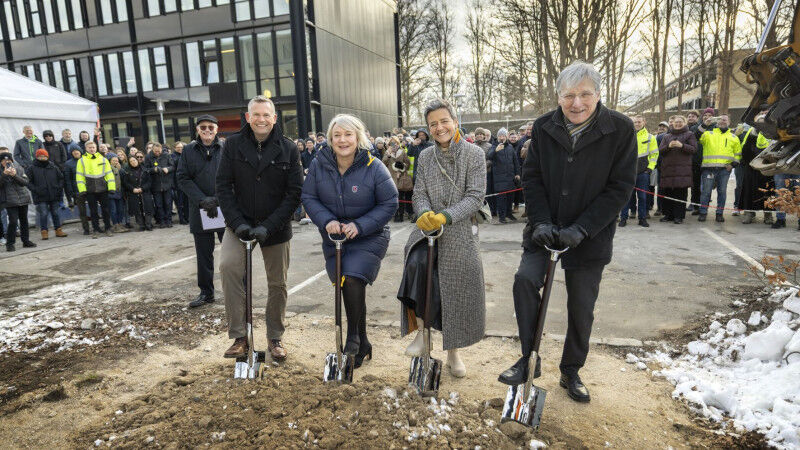
Space technology As part of a significant DTU investment in the space and defence area of around DKK 2 billion over a five-year period, the first sod was turned for a major expansion of activities at DTU Space, Denmark's largest space research institute.
You can now become an engineer at DTU in Risø
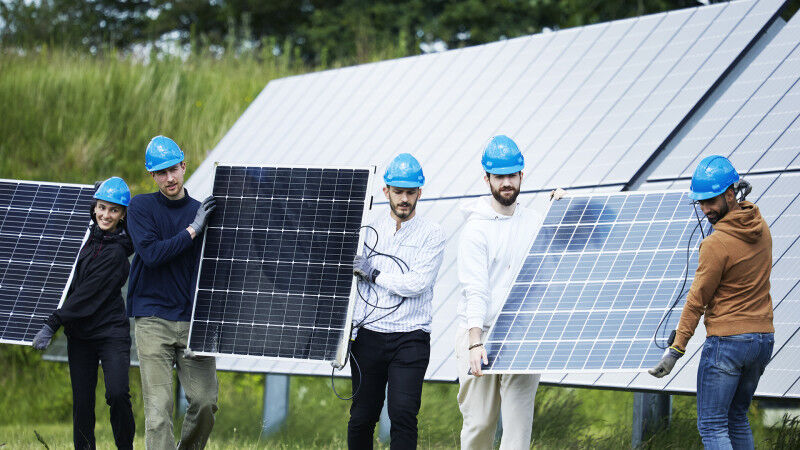
BEng in Industrial Engineering The production of future sustainable solutions will form the foundation of the new Bachelor of Engineering in Industrial Engineering, BEng, which will be based at DTU Risø Campus.
From research to impact: DTU becomes a partner in Innovation District Copenhagen
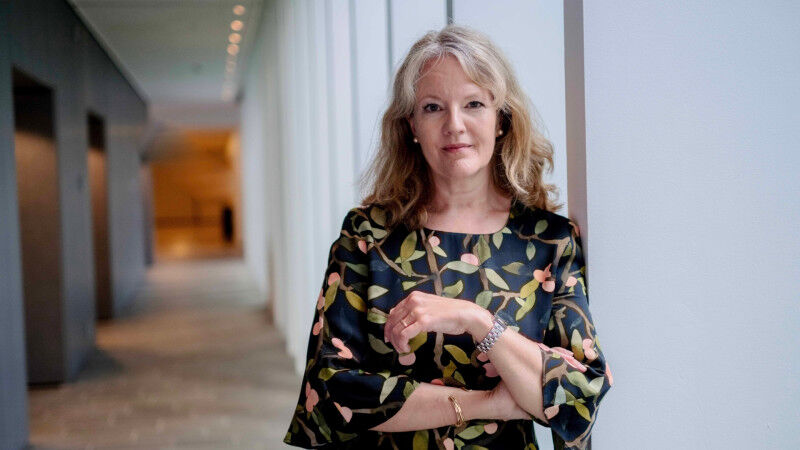
Innovation A broad group of partners - including DTU - is behind a new association that aims to strengthen innovation collaboration between universities, hospitals, companies, and other players in the capital region.
At DTU, impact and excellence go hand in hand
Impact A new three-year programme will ensure that DTU researchers' contributions to the university's core areas are evaluated according to several qualitative criteria in the future.


